What Gaming Companies Need to Know About Account Takeover Fraud
What Gaming Companies Need to Know About Account Takeover Fraud
What Gaming Companies Need to Know About Account Takeover Fraud
In the gaming industry, account takeover fraud is estimated to cost companies over $1 billion annually. Learn how to reduce ATO risks.
Author
Team Bureau

See how Bureau has helped industry leaders defend against networked Industrial-scale frauds →
Schedule a Demo
TABLE OF CONTENTS
See Less
The rise of digital technologies has transformed the way we live, work, and play. The gaming industry is one of the fastest-growing industries, with millions of users accessing online gaming platforms every day. According to a report by Newzoo, a leading provider of market intelligence in the gaming industry, the number of gamers worldwide is expected to grow to 3.1 billion by the end of this year. The report also states that the Asia-Pacific region has the largest number of gamers, followed by North America and Europe. With the proliferation of online gaming, however, comes a growing threat: account takeover fraud (ATO).

?
What is Account Takeover Fraud?
Account takeover (ATO) occurs when an unauthorized individual gains access to an account that belongs to someone else. Once the fraudster has access, they can use the account to make purchases, steal personal information, or even engage in criminal activities. Gaming companies are particularly vulnerable to account takeover fraud due to the large number of user accounts they manage.
What's the Scope of the ATO Problem in Gaming?
In the gaming industry, account takeover fraud is estimated to cost companies over $1 billion annually. According to a report by Akamai, a leading cloud services provider, gaming companies are targeted by account takeover attacks more than any other industry. The report found that the number of account takeover attacks on gaming companies increased by 12% in 2020.
Who Conducts Account Takeover Fraud?
Fraudsters who engage in account takeover fraud come from all walks of life. They can be professional cybercriminals or individuals looking to make a quick profit. In many cases, they use automated tools and techniques to gain access to user accounts.
Some fraudsters use phishing scams (aka social engineering scams) to trick users into providing their login credentials. Others use brute-force attacks to guess account passwords. Others purchase login credentials on the dark web, which are often obtained through data breaches.
Why is Account Takeover Fraud a Threat to Gaming Companies?
Account takeover fraud poses a significant threat to gaming companies for several reasons. First, it can damage the reputation of the company. When users discover that their accounts have been compromised, they may lose trust in the company and stop using its services. Second, account takeover fraud can lead to financial losses. Fraudsters can use compromised accounts to make purchases, which can result in chargebacks and lost revenue.
Third, account takeover fraud can result in regulatory penalties. For example, online gambling companies are subject to strict regulations, and failure to protect user accounts can lead to fines and legal action. Fourth, in online gaming, a large ATO attack could result in disrupting entire gaming communities where certain accounts play a key role in the community. This is particularly true in games where social interactions are important and losing trust in a gaming platform could lead to the end of a gaming community. For example, popular account takeovers used to distribute malware.
Finally, account takeover fraud can lead to data breaches. Fraudsters who gain access to user accounts can steal personal information, including names, addresses, and credit card numbers.
How can Gaming Companies Stop Account Takeover Fraud?
To prevent account takeover fraud, gaming companies need to implement a multi-layered security approach that includes the following measures:
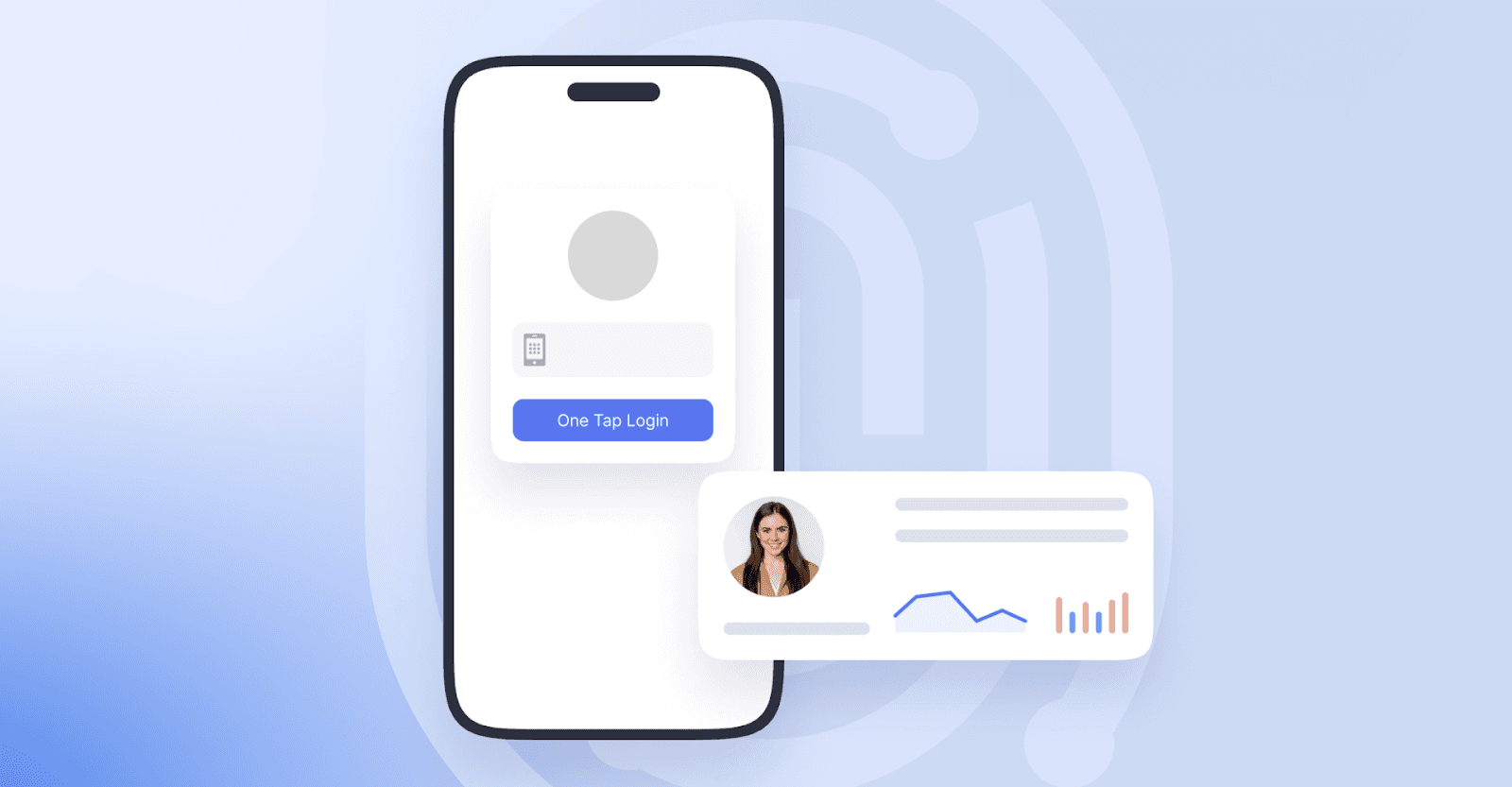
Passwordless Authentication: Various MFA protocols have been around for decades, which means fraudsters have had time to figure out workarounds. SMS OTP, a commonly used authenticator, for example, is highly insecure and prone to phishing attacks. More and more gaming companies are adopting passwordless authentication, which is a highly secure & seamless method of authentication and utilizes mobile data network inherent security & is powered by mobile operators.. Bureau OTL™ (One Tap Login) enables passwordless authentication in 0.8 seconds, thus delivering amazing customer experience with zero friction..
Robust onboarding verification process. High risk moment risk controls (when for example transferring a large amount of currency)
User education: Gaming companies should educate users on how to identify and avoid phishing scams.
Account monitoring: Companies should monitor user accounts for suspicious activity, such as multiple failed login attempts or changes to account information.
Fraud detection software: Fraud detection software can identify and flag suspicious activity in real-time, allowing companies to take immediate action.
Data encryption: Data encryption ensures that user information is protected from unauthorized access.
Key Takeaways
Account takeover fraud (ATO) is a growing threat to gaming companies, costing them billions of dollars annually. Fraudsters who engage in account takeover attacks use a variety of techniques to gain access to user accounts, including phishing scams, brute-force attacks, and the purchase of login credentials on the dark web.
To prevent account takeover fraud, gaming companies need to implement a multi-layered security approach that includes Bureau OTL, user education, account monitoring, fraud detection software, and data encryption. By taking these measures, gaming companies can protect their users, their reputation, and their bottom line.
?
The rise of digital technologies has transformed the way we live, work, and play. The gaming industry is one of the fastest-growing industries, with millions of users accessing online gaming platforms every day. According to a report by Newzoo, a leading provider of market intelligence in the gaming industry, the number of gamers worldwide is expected to grow to 3.1 billion by the end of this year. The report also states that the Asia-Pacific region has the largest number of gamers, followed by North America and Europe. With the proliferation of online gaming, however, comes a growing threat: account takeover fraud (ATO).
?
What is Account Takeover Fraud?
Account takeover (ATO) occurs when an unauthorized individual gains access to an account that belongs to someone else. Once the fraudster has access, they can use the account to make purchases, steal personal information, or even engage in criminal activities. Gaming companies are particularly vulnerable to account takeover fraud due to the large number of user accounts they manage.
What's the Scope of the ATO Problem in Gaming?
In the gaming industry, account takeover fraud is estimated to cost companies over $1 billion annually. According to a report by Akamai, a leading cloud services provider, gaming companies are targeted by account takeover attacks more than any other industry. The report found that the number of account takeover attacks on gaming companies increased by 12% in 2020.
Who Conducts Account Takeover Fraud?
Fraudsters who engage in account takeover fraud come from all walks of life. They can be professional cybercriminals or individuals looking to make a quick profit. In many cases, they use automated tools and techniques to gain access to user accounts.
Some fraudsters use phishing scams (aka social engineering scams) to trick users into providing their login credentials. Others use brute-force attacks to guess account passwords. Others purchase login credentials on the dark web, which are often obtained through data breaches.
Why is Account Takeover Fraud a Threat to Gaming Companies?
Account takeover fraud poses a significant threat to gaming companies for several reasons. First, it can damage the reputation of the company. When users discover that their accounts have been compromised, they may lose trust in the company and stop using its services. Second, account takeover fraud can lead to financial losses. Fraudsters can use compromised accounts to make purchases, which can result in chargebacks and lost revenue.
Third, account takeover fraud can result in regulatory penalties. For example, online gambling companies are subject to strict regulations, and failure to protect user accounts can lead to fines and legal action. Fourth, in online gaming, a large ATO attack could result in disrupting entire gaming communities where certain accounts play a key role in the community. This is particularly true in games where social interactions are important and losing trust in a gaming platform could lead to the end of a gaming community. For example, popular account takeovers used to distribute malware.
Finally, account takeover fraud can lead to data breaches. Fraudsters who gain access to user accounts can steal personal information, including names, addresses, and credit card numbers.
How can Gaming Companies Stop Account Takeover Fraud?
To prevent account takeover fraud, gaming companies need to implement a multi-layered security approach that includes the following measures:
Passwordless Authentication: Various MFA protocols have been around for decades, which means fraudsters have had time to figure out workarounds. SMS OTP, a commonly used authenticator, for example, is highly insecure and prone to phishing attacks. More and more gaming companies are adopting passwordless authentication, which is a highly secure & seamless method of authentication and utilizes mobile data network inherent security & is powered by mobile operators.. Bureau OTL™ (One Tap Login) enables passwordless authentication in 0.8 seconds, thus delivering amazing customer experience with zero friction..
Robust onboarding verification process. High risk moment risk controls (when for example transferring a large amount of currency)
User education: Gaming companies should educate users on how to identify and avoid phishing scams.
Account monitoring: Companies should monitor user accounts for suspicious activity, such as multiple failed login attempts or changes to account information.
Fraud detection software: Fraud detection software can identify and flag suspicious activity in real-time, allowing companies to take immediate action.
Data encryption: Data encryption ensures that user information is protected from unauthorized access.
Key Takeaways
Account takeover fraud (ATO) is a growing threat to gaming companies, costing them billions of dollars annually. Fraudsters who engage in account takeover attacks use a variety of techniques to gain access to user accounts, including phishing scams, brute-force attacks, and the purchase of login credentials on the dark web.
To prevent account takeover fraud, gaming companies need to implement a multi-layered security approach that includes Bureau OTL, user education, account monitoring, fraud detection software, and data encryption. By taking these measures, gaming companies can protect their users, their reputation, and their bottom line.
?
TABLE OF CONTENTS
See More
Recommended Blogs


Landing Page.
Simple, bold.
Sign Up
Download

Products
Solutions


© 2026 Bureau . All rights reserved.
Solutions
Industries
Resources
Company
Solutions
Industries
Resources
Company
© 2026 Bureau . All rights reserved.
Follow Us
Leave behind fragmented tools. Stop fraud rings, cut false declines, and deliver secure digital journeys at scale
Our Presence








Leave behind fragmented tools. Stop fraud rings, cut false declines, and deliver secure digital journeys at scale
Our Presence
© 2026 Bureau . All rights reserved.