From In-House Tools to Unified Fraud Intelligence Copy

From In-House Tools to Unified Fraud Intelligence Copy

From In-House Tools to Unified Fraud Intelligence Copy

Device fingerprinting helps identify spoofing, bots, and repeat abuse by recognizing unique device attributes, even when fraudsters spoof emails or IPs. For businesses, the decision, whether to build this capability in-house or rely on a specialized partner, can directly shape how quickly teams can adapt to evolving threats.

Device fingerprinting helps identify spoofing, bots, and repeat abuse by recognizing unique device attributes, even when fraudsters spoof emails or IPs. For businesses, the decision, whether to build this capability in-house or rely on a specialized partner, can directly shape how quickly teams can adapt to evolving threats.

Device fingerprinting helps identify spoofing, bots, and repeat abuse by recognizing unique device attributes, even when fraudsters spoof emails or IPs. For businesses, the decision, whether to build this capability in-house or rely on a specialized partner, can directly shape how quickly teams can adapt to evolving threats.

Talk to Our Expert

Talk to Our Expert

Talk to Our Expert

Talk to Our Expert

Talk to Our Expert

Talk to Our Expert

Sophisticated fraud schemes powered by artificial intelligence and automation continue to surge and help fraudsters target gaps in traditional controls. It is estimated that generative AI may power losses worth $40 billion by 2027.

At the same time, businesses are under pressure to streamline their onboarding and transaction flows to deliver frictionless user experiences. This rush creates blind spots and vulnerabilities that can be easily exploited by automated systems. 

Solutions like device fingerprinting offer a reliable method of identifying the unique attributes of a device to detect spoofing, bots, and repeated abuse. When done well, device fingerprinting can act as a strong shield against fraud even when user identifiers like email or IP addresses are changed.
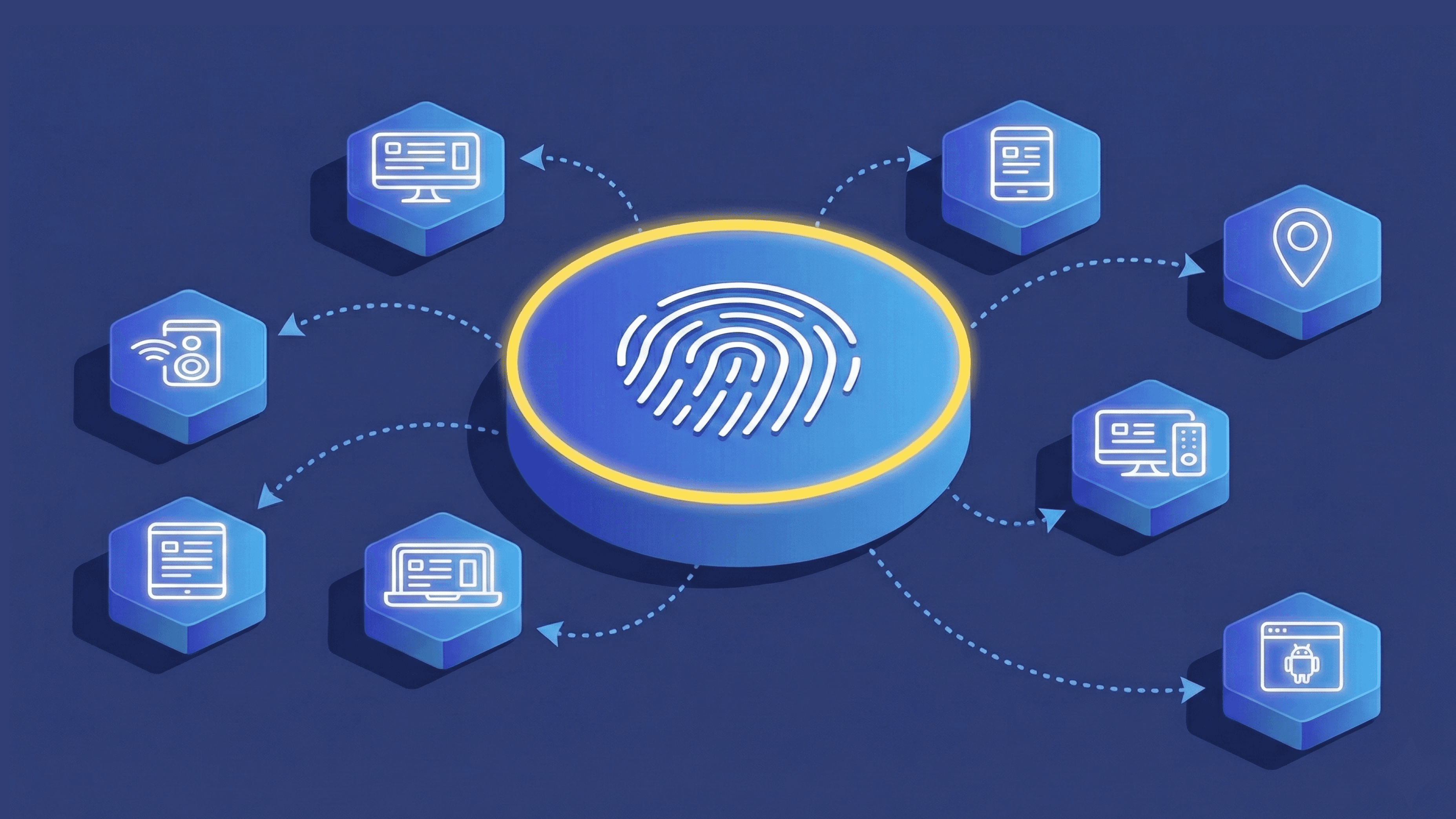
However, this creates a dilemma for leaders: should they build device fingerprinting capabilities internally, or buy them from a specialized partner?

This decision has a long-term effect as it would decide how quickly IT teams can respond to evolving threats.

Device Fingerprinting: Decoding A Core Fraud Signal

Think of a device fingerprint as a digital DNA that links machines and sessions across time and context. This link helps fraud teams diagnose patterns in user behavior that can lead to fraud discovery.

Is Your In-House Fraud Stack Scaling?

Is Your In-House Fraud Stack Scaling?

Talk to a fraud specialist about scaling challenges.

Talk to Our Expert

No, Continue Reading

Recognized by

Leading Analysts & Platforms

Recognized by

Leading Analysts & Platforms

Recognized by

Leading Analysts & Platforms

© 2025 Bureau . All rights reserved. Privacy Policy. Terms of Service.

© 2025 Bureau . All rights reserved.

Privacy Policy. Terms of Service.

Follow Us

Leave behind fragmented tools. Stop fraud rings, cut false declines, and deliver secure digital journeys at scale

Leave behind fragmented tools. Stop fraud rings, cut false declines, and deliver secure digital journeys at scale