
Social Engineering
Social Engineering Scam Protection: Compromised Customers, Valid Credentials.
Social engineering scams bypass every technical control because the victim initiates them. Bureau reads session-level behavioral telemetry, remote access signals, and cognitive state anomalies in real time - flagging coercion and guided sessions before a single payment clears.


Use cases
Read the Session. Stop the Scam.
Social engineering passes every credential check - the account holder initiates the transaction. Stopping it requires reading the session: behavioral telemetry that surfaces coercion, guided interactions, and remote access the moment they appear.



Customer STORIES
Powering risk decisions for the largest global enterprises





Stay updated with Our resources

Ebook
.
Oct 1, 2026
Stop the Leak: How eCommerce Brands Can Fix Onboarding Drop-off Without Compromising Fraud Prevention
Read more

Report
.
Sep 1, 2026
Bureau’s Global Fraud Intelligence Report 2026: AI, Identity, and the Future of Fraud Defense
Read more
Ebook
.
Jun 11, 2026
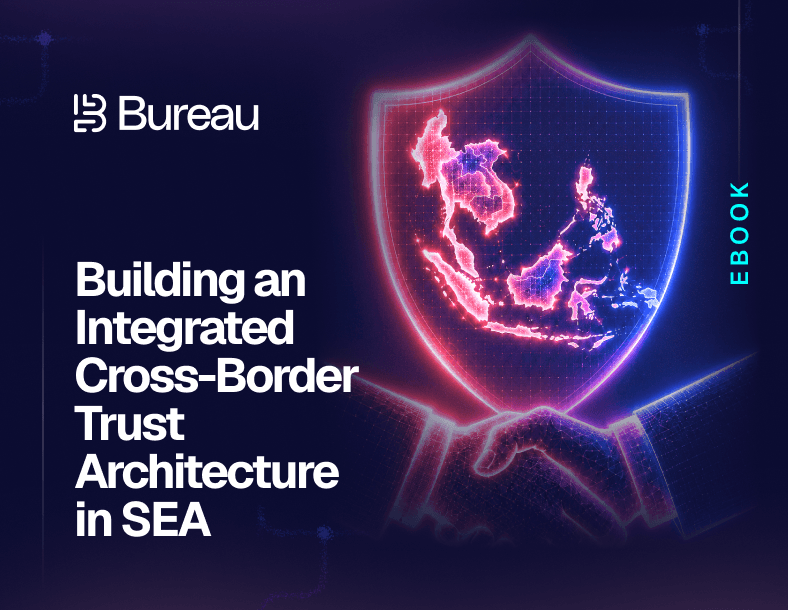
Building an Integrated Cross-Border Trust Architecture in SEA
Read more

Ebook
.
Jun 2, 2026
AI Underwriter: Faster Approvals, Better Fraud Detection
Read more
Ebook
.
May 11, 2026
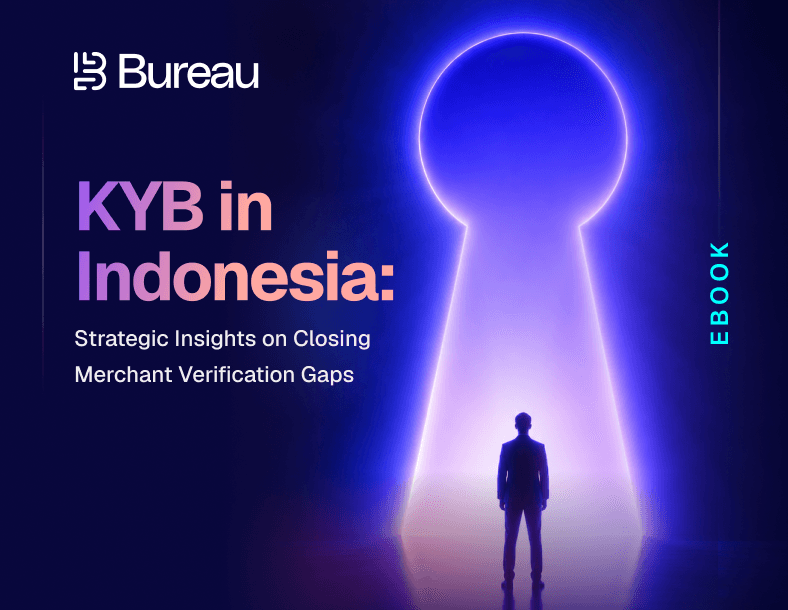
KYB in Indonesia: Closing Merchant Verification Gaps
Read more
Ebook
.
Apr 30, 2026
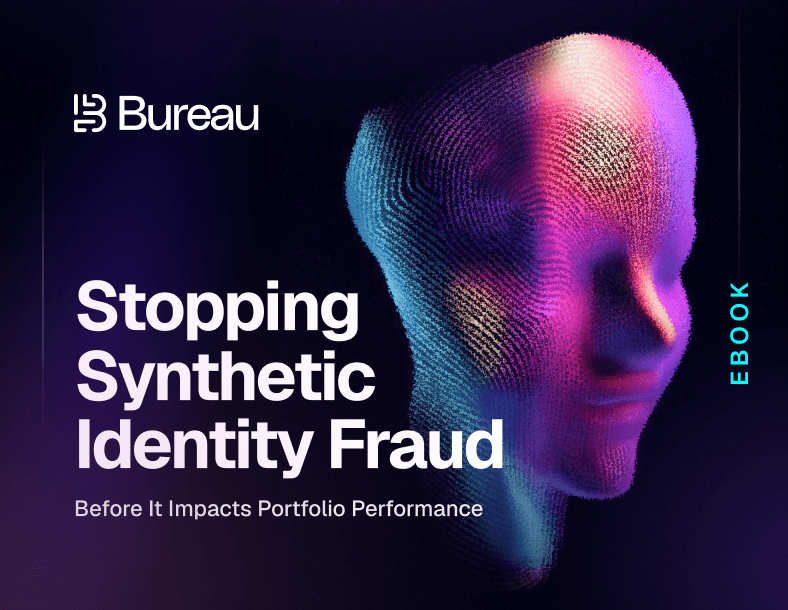
Stopping Synthetic Identity Fraud | Bureau
Read more


frequently asked question
Got questions? We’ve got answers
What is a social engineering scam?
A social engineering scam is fraud where the victim is manipulated into authorizing the transaction themselves — through impersonation, investment lures, romance, or business email compromise. Because the account holder initiates it with valid credentials, it bypasses passwords, OTPs, and device checks.
How does social engineering affect businesses?
Authorized fraud is difficult to recover and increasingly falls under reimbursement mandates, shifting the loss to the business. Beyond direct payouts, it drives dispute volume, regulatory scrutiny, and erosion of customer trust.
How can social engineering scams be prevented?
Since credentials are valid, prevention depends on reading the session rather than the identity, behavioral telemetry that surfaces duress signals like segmented typing and hesitation, remote access detection for tools such as AnyDesk and TeamViewer, and network-level intelligence that flags known scam infrastructure before funds move.

Follow us on our social
© 2026 Bureau. All Rights Reserved.
SOC 2 Type II Certified • ISO 27001 Certified